
Cultural perceptions of gambling How society shapes risks and rewards
Cultural perceptions of gambling How society shapes risks and rewards
Understanding Cultural Attitudes Towards Gambling
Cultural perceptions of gambling significantly influence how society views risk and reward. In some cultures, gambling is seen as a legitimate form of entertainment, a way to socialize, and even a potential source of income. For example, in many parts of Asia, traditional games of chance are integrated into social customs and festivities, highlighting an acceptance that differs widely from more conservative views prevalent in Western societies. This divergence often leads to varying legal frameworks governing gambling practices, which further underscores the cultural context surrounding these activities. Notably, many are now exploring platforms like Vipzino to engage in online gaming experiences.

Furthermore, the symbolism associated with gambling varies across cultures. In some societies, it may represent luck and fortune, while in others, it may symbolize moral decay and irresponsibility. These differing attitudes often shape public policy and community responses to gambling establishments, influencing everything from advertising strategies to community engagement initiatives. For instance, regions that celebrate gambling might experience a surge in tourism and local economies, while those that stigmatize it might see increased efforts for regulation and prevention programs.
Another critical aspect to consider is how historical events shape contemporary views on gambling. For example, countries that have experienced economic hardship may develop a more favorable view of gambling as a means of financial relief. Conversely, societies with a history of gambling-related issues, such as addiction and crime, may approach it with a more cautious or even hostile perspective. These underlying historical narratives not only inform individual attitudes but also contribute to the broader societal discourse surrounding the risks and rewards of gambling.
The Role of Media in Shaping Perceptions
The media plays a pivotal role in shaping societal views on gambling, often amplifying both positive and negative narratives. Television shows, movies, and advertisements that glamorize high-stakes gambling can create a perception that it is an exciting and rewarding pursuit. For example, films like “Casino Royale” and “Rounders” portray gambling as a glamorous, high-octane endeavor, potentially enticing viewers to engage in similar activities. This portrayal can lead to a normalization of gambling in popular culture, making it more accepted and even celebrated in some circles.
Conversely, media coverage of gambling addiction and its consequences can foster a negative stigma surrounding the activity. Documentaries and news stories highlighting personal struggles with gambling often showcase the darker side of this pastime, which can lead to a societal perception that views gambling as inherently dangerous. This duality creates a complex landscape where individuals may feel torn between the excitement marketed by the media and the cautionary tales they consume, influencing their personal choices regarding gambling.
Additionally, social media has transformed how gambling is perceived and discussed in society. Platforms like Twitter and Instagram allow for real-time sharing of experiences, successes, and failures associated with gambling. The virality of such content can shape opinions and even prompt a collective behavior shift. For example, if influencers or peers share their winnings from online casinos, it may encourage others to participate, while posts about losses could deter potential gamblers. This dynamic creates an ongoing dialogue about the risks and rewards of gambling, continuously influencing societal perceptions.
The Psychological Dimensions of Gambling
The psychological aspects of gambling are deeply intertwined with cultural perceptions. Understanding why individuals gamble often requires delving into the underlying motivations that drive this behavior. For some, the thrill of potentially winning big is a significant draw. The prospect of financial gain can overshadow the inherent risks, especially in cultures that celebrate entrepreneurship and risk-taking. This psychological dynamic can lead to a gambling culture that encourages high-stakes play, often underestimating the potential for loss.
Moreover, the concept of cognitive bias plays a crucial role in shaping how individuals perceive their gambling experiences. Many gamblers fall prey to the illusion of control, believing they can influence random outcomes. This psychological phenomenon is reinforced by cultural narratives that celebrate winners and often ignore the losses. Over time, this can contribute to a societal normalization of risky behaviors, as individuals justify their gambling choices based on the potential for reward rather than a realistic assessment of the risks involved.
Furthermore, the availability and accessibility of gambling opportunities can amplify these psychological dimensions. As online gambling platforms have become more prevalent, they cater to a wide range of preferences and risk tolerances. This convenience allows individuals to engage in gambling at their own pace, which can be particularly appealing in cultures where online activities are highly integrated into daily life. However, this also raises concerns about the potential for addiction, as the barriers to access have been significantly lowered. The intersection of these psychological factors with societal attitudes creates a complex narrative around gambling.
Legal Frameworks and Societal Impact
Legal frameworks governing gambling are often reflective of cultural perceptions and societal values. In countries where gambling is widely accepted, such as the United Kingdom, regulatory bodies ensure that gambling is conducted fairly and transparently, supporting responsible gambling initiatives. These measures not only provide consumer protection but also serve to normalize gambling within the societal fabric. Conversely, nations with stringent anti-gambling laws typically reflect a cultural apprehension towards risk-taking and the potential social consequences of gambling.
These legal structures can also influence how communities perceive gambling establishments. In areas where gambling is viewed positively, casinos can become hubs of entertainment and economic growth, contributing significantly to local revenue and job creation. In contrast, regions that view gambling negatively may impose heavy restrictions, limiting the growth of local economies and leading to underground gambling operations. This dichotomy highlights how legal frameworks can either support or stifle the development of gambling cultures within society.
Moreover, the effects of legalized gambling extend beyond mere economics; they often lead to social change. As gambling becomes more mainstream, it can alter community dynamics and reshape social norms. For instance, family and social interactions may increasingly include gambling activities, affecting how relationships are built and maintained. The long-term societal impact of these changes remains a topic of research and discussion, as communities grapple with balancing the benefits of economic growth against the potential risks of addiction and social disintegration.
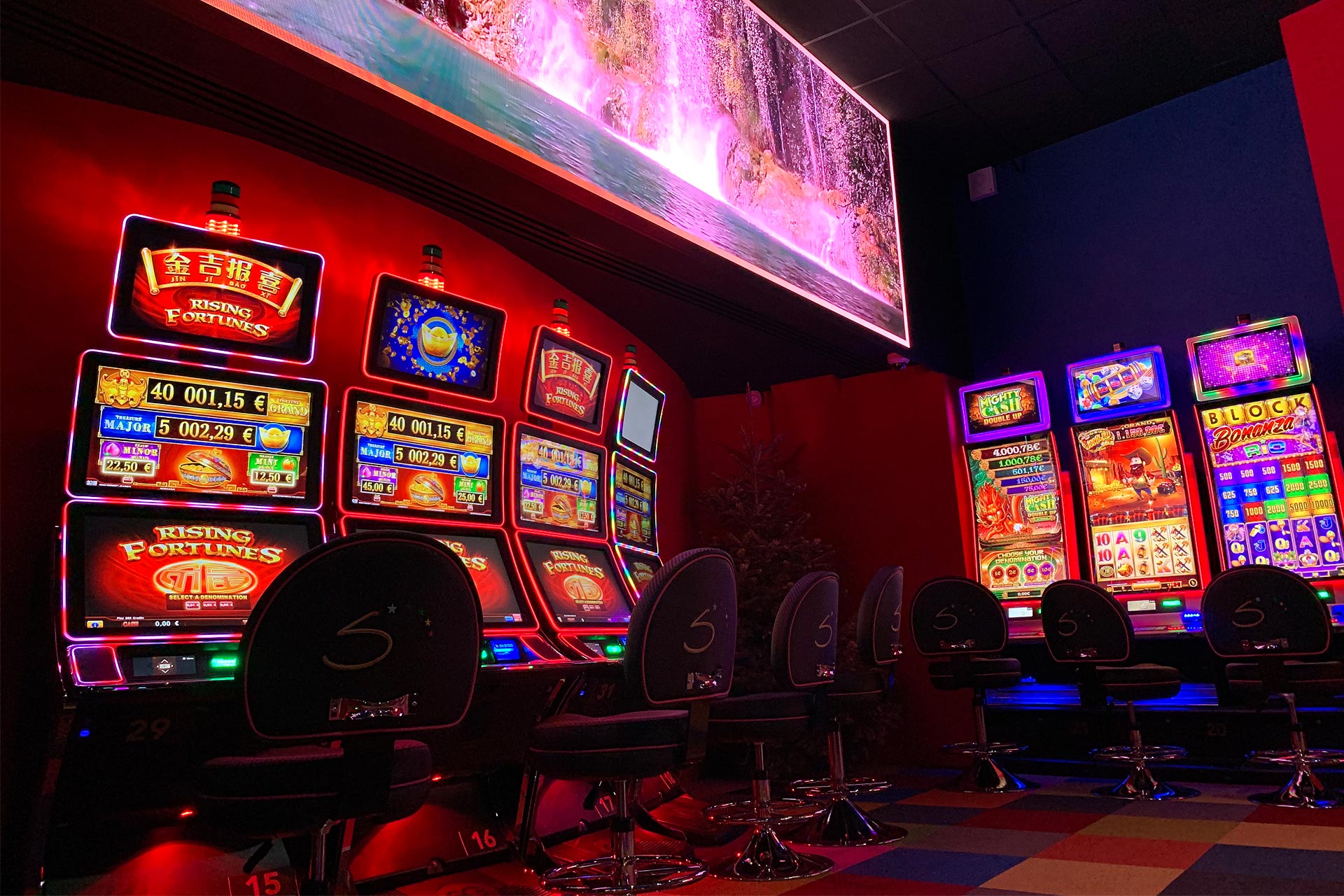
Exploring Vipzino Casino UK and Its Cultural Context
Vipzino Casino UK exemplifies the intersection of gambling and cultural perceptions in contemporary society. With a diverse range of over 1,000 slots and live casino games, it caters to a wide audience, reflecting the growing acceptance of online gambling in the UK. The platform emphasizes player safety and adheres to strict regulations set by the UK Gambling Commission, which aligns with cultural expectations regarding responsible gambling. This approach not only builds trust among players but also reflects a cultural shift toward safer gambling practices.
The generous welcome bonus and promotional offers available at Vipzino Casino UK further illustrate how marketing strategies can shape perceptions of gambling. By presenting gambling as an accessible and thrilling experience, these promotions tap into cultural narratives that celebrate the pursuit of luck and fortune. This kind of marketing, while potentially enticing, also raises questions about the ethical implications of encouraging participation in an activity that carries inherent risks.
Overall, Vipzino Casino UK serves as a case study for understanding how cultural perceptions influence the gambling landscape. As societal attitudes continue to evolve, so too will the platforms that cater to them. By aligning their practices with cultural values around safety and responsibility, gambling establishments like Vipzino can contribute to a more nuanced understanding of the risks and rewards associated with this popular pastime.
Products
-
 TF-Luna (ToF) Micro Single point Ranging LiDAR
Rp365.000
TF-Luna (ToF) Micro Single point Ranging LiDAR
Rp365.000
-
 Benewake TFmini S LiDAR (ToF) Laser Range Sensor TF mini S
Rp680.000
Benewake TFmini S LiDAR (ToF) Laser Range Sensor TF mini S
Rp680.000
-
 Benewake TFmini Plus (ToF) Laser Range Finder Sensor TF Mini Plus TOF
Rp775.000
Benewake TFmini Plus (ToF) Laser Range Finder Sensor TF Mini Plus TOF
Rp775.000
-
 Benewake DE-LIDAR TF02 Pro (ToF) Laser Range finder (40m) Lidar UART
Rp1.650.000
Benewake DE-LIDAR TF02 Pro (ToF) Laser Range finder (40m) Lidar UART
Rp1.650.000
-
 Raspberry Pi 5 Single Board Computer
Rp1.600.000
Raspberry Pi 5 Single Board Computer
Rp1.600.000
Posts Widget


Copyright 2024 © All right reserved. Powered by Khurslabs


