
The connection between gambling habits and mental health challenges
The connection between gambling habits and mental health challenges
Understanding Gambling Habits
Gambling habits vary significantly across cultures and individuals, influenced by factors like socioeconomic status, environment, and personal psychology. For many, gambling starts as a form of entertainment or social engagement, often perceived as harmless fun. However, for others, it can escalate into a compulsive behavior, leading to significant emotional and financial distress. Recognizing the signs of problematic gambling early can help individuals seek the necessary support and intervention before serious consequences arise. One resource for exploring safe gaming options is bigboost-nz.org, which offers insights into responsible gambling.

The psychology behind gambling is complex, rooted in the brain’s reward system. When individuals gamble, their brains release dopamine, a neurotransmitter linked to pleasure and reward. This can create a cycle of seeking out gambling experiences to replicate that high, leading to habitual behavior. Over time, individuals may find themselves betting more than they can afford, viewing gambling as a solution to financial problems rather than a source of entertainment.
Cultural influences play a vital role in shaping gambling habits. In some societies, gambling is widely accepted and even encouraged, while in others, it is heavily stigmatized. This cultural backdrop can affect individuals’ perceptions of gambling and their willingness to seek help for gambling-related issues. Understanding these cultural contexts is essential for developing effective interventions and support systems for those struggling with gambling addiction.
The Intersection of Gambling and Mental Health
The relationship between gambling and mental health challenges is well-documented. Research shows that individuals with existing mental health issues, such as anxiety, depression, or substance abuse disorders, are at a higher risk of developing problematic gambling habits. This correlation suggests that gambling can often be a form of self-medication for those grappling with emotional distress or mental health disorders, creating a dangerous cycle.
Moreover, gambling can exacerbate mental health challenges. The stress and anxiety resulting from financial losses and the shame associated with unsuccessful gambling can lead to a decline in overall mental well-being. Many individuals find themselves trapped in a downward spiral, where their gambling habits worsen their mental health, leading them to gamble more in an attempt to escape their situation.
Addressing the dual issues of gambling addiction and mental health is crucial for effective treatment. Integrative approaches, which consider both factors, tend to yield better results. Therapy, support groups, and counseling can provide individuals with coping strategies and tools to manage both their gambling habits and underlying mental health issues.
Signs of Problematic Gambling
Recognizing the signs of problematic gambling is key to early intervention and recovery. Common indicators include preoccupation with gambling, frequent lying about gambling activities, and experiencing significant mood swings related to wins and losses. Individuals may also neglect personal and professional responsibilities due to their gambling habits, often leading to strained relationships and financial issues.
Another significant sign is the presence of financial distress. Those struggling with gambling may borrow money, sell personal belongings, or even resort to illegal activities to fund their gambling. This not only affects their financial stability but also places immense emotional pressure on their mental health. Friends and family members often notice these changes before the individual does, making it essential for loved ones to recognize the signs and offer support.
Lastly, feelings of guilt or shame after gambling are prevalent among those with problematic gambling habits. This emotional turmoil can further exacerbate mental health challenges, leading individuals to gamble more to escape their feelings. Understanding these signs can help individuals and their families take proactive steps towards recovery and healing.
Coping Strategies and Support Systems
Developing effective coping strategies is essential for individuals struggling with gambling habits and mental health challenges. One approach is mindfulness and stress-reduction techniques, which can help individuals recognize triggers and manage urges to gamble. Activities such as meditation, yoga, and exercise not only promote mental well-being but also provide healthy outlets for stress relief.
Support systems play a crucial role in the recovery process. Engaging with family and friends who understand the challenges of gambling can provide emotional support and accountability. Additionally, support groups and therapy can foster a sense of community and belonging, helping individuals feel less isolated in their struggles. Professional guidance from therapists specializing in gambling addiction can offer tailored strategies and coping mechanisms.
Incorporating lifestyle changes, such as setting financial limits and avoiding gambling environments, can also be beneficial. These changes allow individuals to reclaim control over their lives, reducing the likelihood of relapse. Ultimately, fostering a strong support network and adopting effective coping strategies can significantly improve mental health and reduce gambling-related issues.
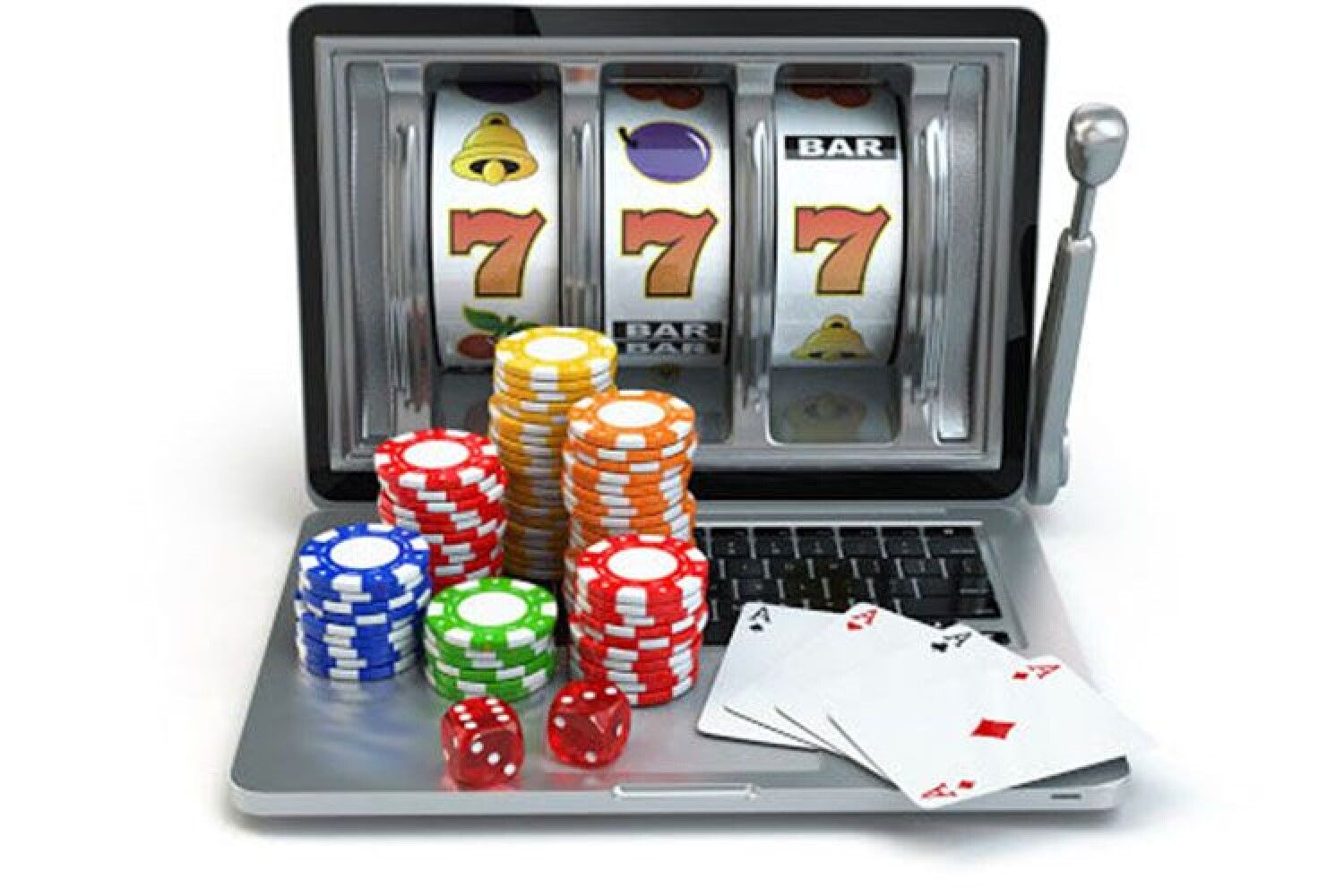
Big Boost Casino: A Responsible Gaming Environment
Big Boost Casino prioritizes a responsible gaming environment, recognizing the importance of mental health in the gaming community. With various resources available for players, the platform encourages responsible gambling practices by promoting self-awareness and providing tools to manage gaming habits. Their commitment to player safety extends beyond gaming, ensuring that emotional well-being is also considered.
The casino’s dedicated customer support team is available around the clock, offering assistance and guidance to players who may need help with their gambling habits. By fostering a culture of openness and responsibility, Big Boost Casino aims to create a safe space where players can enjoy gaming without compromising their mental health. This approach is critical in an industry where gambling habits can easily spiral into challenges if not managed properly.
Overall, Big Boost Casino not only focuses on providing an extensive gaming experience but also prioritizes the mental health of its players. Through education, support, and a commitment to responsible gambling practices, the casino works towards reducing the stigma around gambling-related mental health challenges, encouraging individuals to seek help when needed.
Products
-
 TF-Luna (ToF) Micro Single point Ranging LiDAR
Rp365.000
TF-Luna (ToF) Micro Single point Ranging LiDAR
Rp365.000
-
 Benewake TFmini S LiDAR (ToF) Laser Range Sensor TF mini S
Rp680.000
Benewake TFmini S LiDAR (ToF) Laser Range Sensor TF mini S
Rp680.000
-
 Benewake TFmini Plus (ToF) Laser Range Finder Sensor TF Mini Plus TOF
Rp775.000
Benewake TFmini Plus (ToF) Laser Range Finder Sensor TF Mini Plus TOF
Rp775.000
-
 Benewake DE-LIDAR TF02 Pro (ToF) Laser Range finder (40m) Lidar UART
Rp1.650.000
Benewake DE-LIDAR TF02 Pro (ToF) Laser Range finder (40m) Lidar UART
Rp1.650.000
-
 Raspberry Pi 5 Single Board Computer
Rp1.600.000
Raspberry Pi 5 Single Board Computer
Rp1.600.000
Posts Widget


Copyright 2024 © All right reserved. Powered by Khurslabs


